
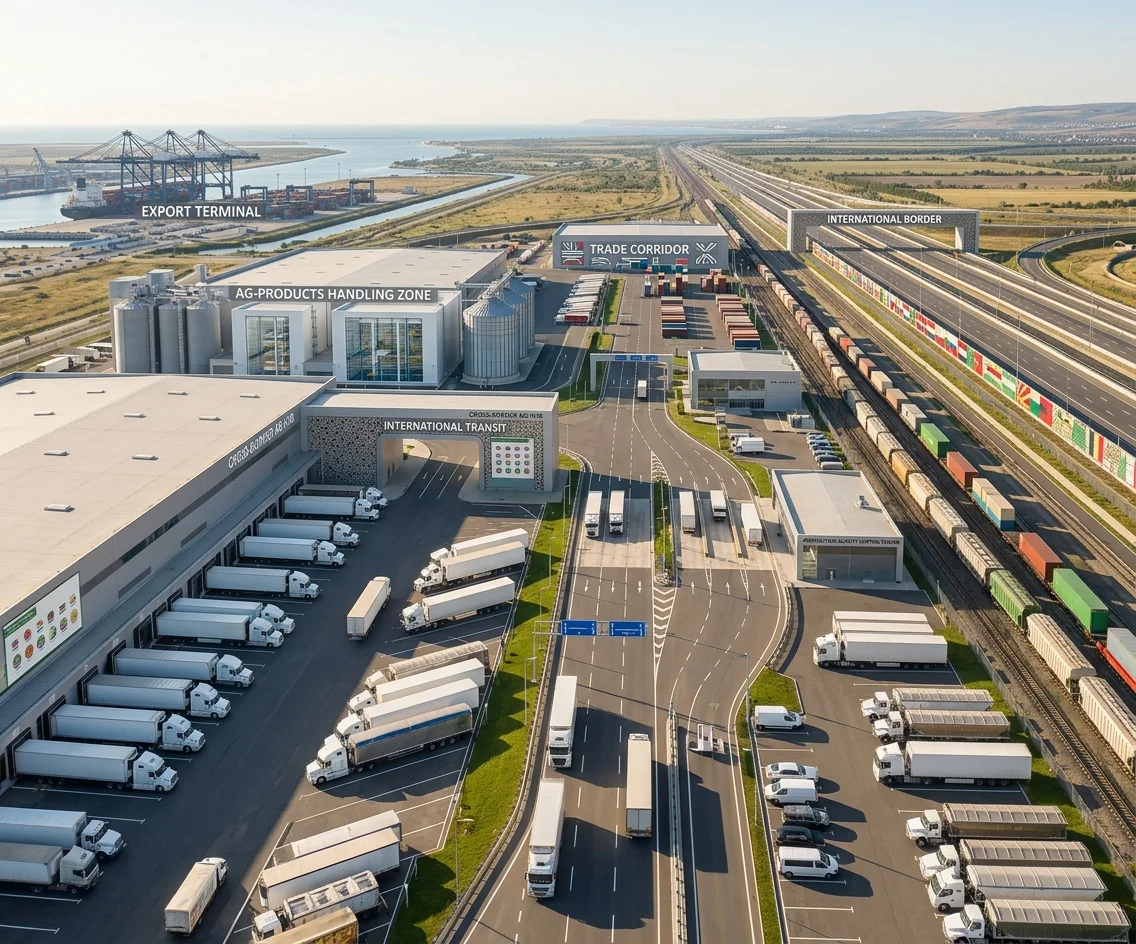
Agricultural supply chain resilience has become a core national security priority across emerging markets. Population growth, changing climatic conditions, regional geopolitical shifts, and market volatility highlight the urgency of building resilient regional food systems. Establishing sustainable agricultural security requires transitioning from reactive emergency measures to structured, long-term regional trade integration, strategic investment, and institutional collaboration.
Building Resilient Cross-Border Supply Chains Traditional food supply chains often suffer from structural inefficiencies, regional bottlenecks, and excessive reliance on distant global suppliers. Developing strong intra-regional trade networks across key economic corridors—such as South Asia, Central Asia, and the GCC—creates shorter, more reliable supply routes that mitigate global supply shocks.
Key elements for building resilient regional trade corridors include:
Import Substitution Through Local Production Capacity While cross-border trade ensures market access, long-term regional food security requires building internal manufacturing and production capacity. Over-reliance on imported finished goods—such as processed meats, day-old chicks, or animal vaccines—leaves regional agricultural markets vulnerable to currency fluctuations and international trade disruptions.
Strategic import substitution involves developing localized value chains:
The Role of Strategic Partnerships and Joint Ventures No single entity or nation can solve regional food security challenges in isolation. Long-term stability relies on flexible, mutually beneficial partnership models connecting technology providers, commercial operators, financial institutions, and government stakeholders.
Through strategic co-investment, regional partners can scale technological innovations—such as climate-controlled farming, modern genetics, and automated agro-processing—to maximize regional production efficiency. Public-private partnerships (PPPs) play a vital role in establishing strategic reserves for feed grains and essential veterinary medicines, ensuring market stability during environmental or economic crises.
Conclusion Strengthening regional food systems requires a multi-faceted approach combining seamless cross-border trade, localized manufacturing, technological integration, and collaborative investment strategies. By building integrated value chains, emerging markets can secure long-term food independence, protect agricultural economies, and foster sustainable growth.